





About this item
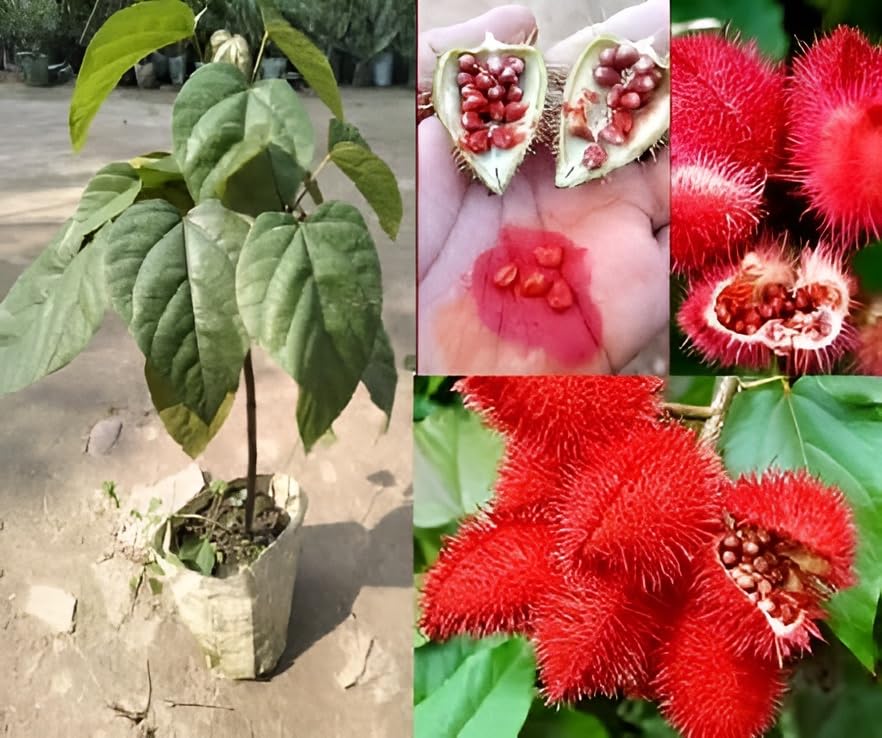
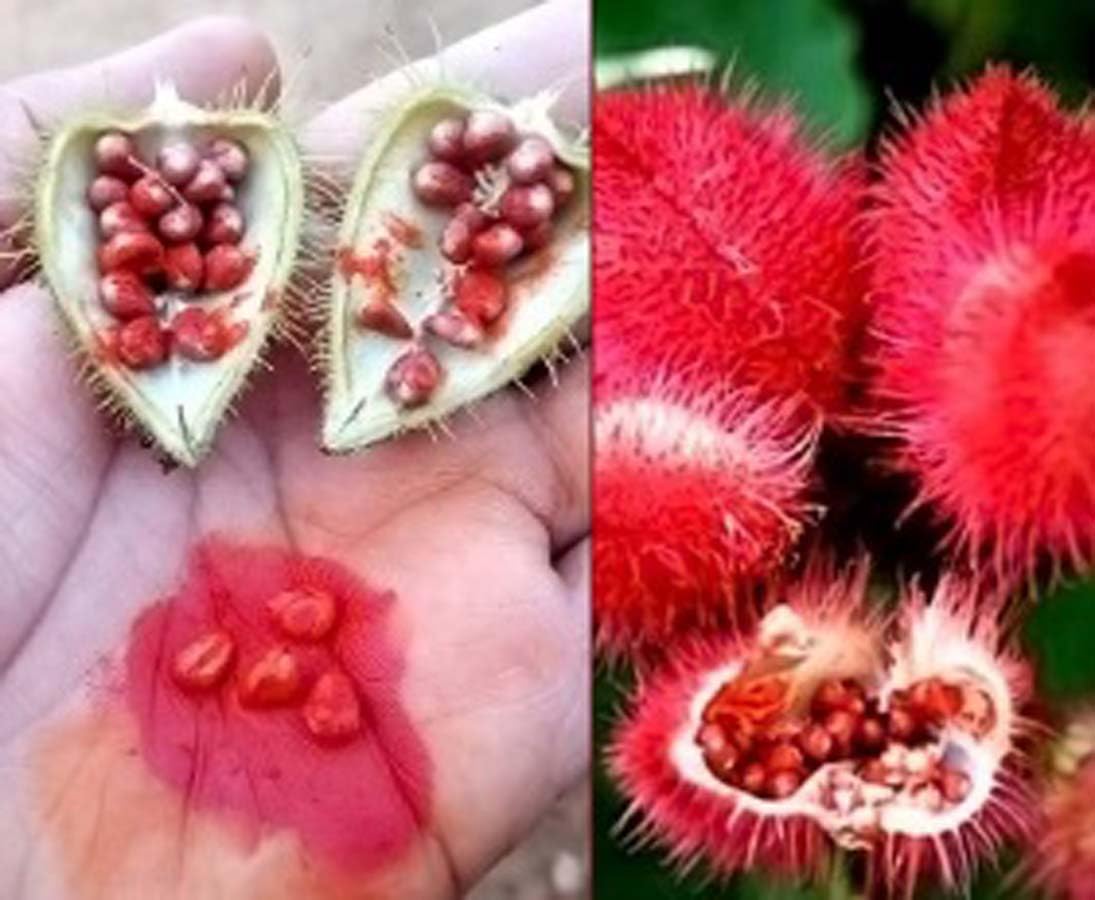
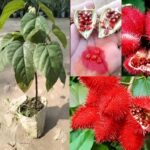
- Natural Source of Sindoor & Dye The Sindoor plant produces bright red-orange seeds, which are traditionally used to make natural sindoor (vermilion) in Hindu rituals. The seeds contain bixin, a natural dye also used as a food coloring and in cosmetics, textiles, and medicines.
- Medicinal Properties & Ayurvedic Uses Sindoor plant seeds, leaves, and bark are used in Ayurveda for their antioxidant, antimicrobial, and anti-inflammatory properties. The plant is believed to aid digestion, skin health, and detoxification, and it is used in traditional medicine to treat infections, fever, and wounds.
- Thrives in Tropical Climates Native to South America, India, and Southeast Asia, the Sindoor plant thrives in warm, tropical climates. It prefers full sunlight, well-drained soil, and high humidity, making it an excellent choice for gardens in hot and humid regions.
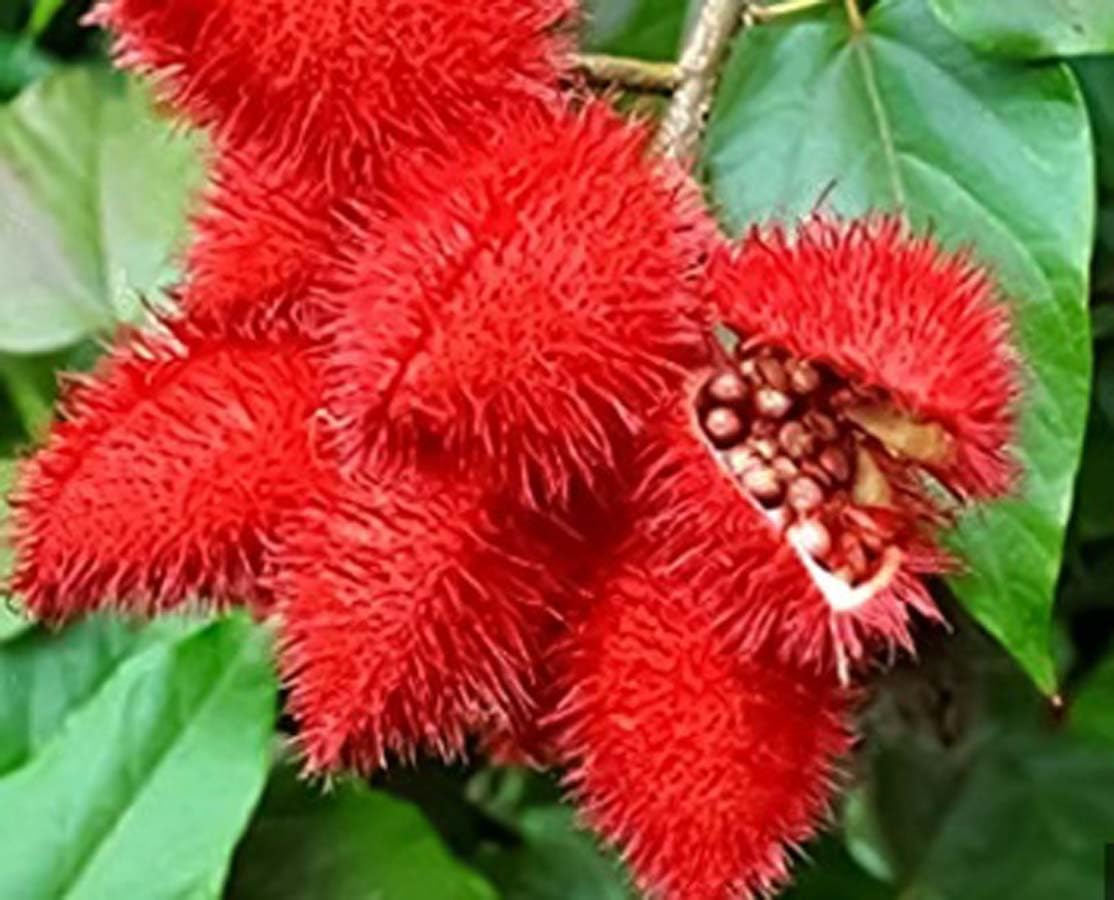
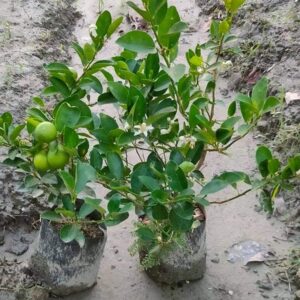
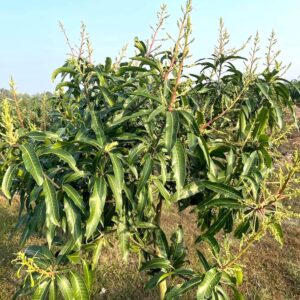
- Attractive Ornamental Plant With its lush green leaves, pink or white flowers, and vibrant red seed pods, the Sindoor plant is a beautiful ornamental shrub or small tree. It adds an exotic touch to gardens, parks, and landscapes, making it both useful and decorative.
- Fast-Growing & Low Maintenance The Sindoor plant is a fast-growing evergreen shrub, reaching 10–20 feet (3–6 meters) in height. It requires minimal care, needing only occasional pruning and regular watering, making it an excellent choice for beginner gardeners.
- Culinary Uses & Food Coloring The red seeds of the Sindoor plant are widely used as a natural food colorant known as annatto. It is commonly used in cheese, butter, margarine, and sauces to give them a rich yellow-orange color, and it is safe for consumption.
- Symbolism & Cultural Importance In Hindu culture, Sindoor (vermilion) made from this plant is a sacred symbol of marriage. It is applied by married women as a mark of commitment and prosperity. The plant is also considered auspicious and is often grown in temples and spiritual gardens.
There are no reviews yet.